Tooth Extractions
When removing the tooth is the healthiest next step
Tooth extractions are recommended when a tooth can no longer be predictably restored or is putting your comfort and oral health at risk. At Ortega Cottage Dentistry, extractions are approached with care, clarity, and a focus on making the process as comfortable and straightforward as possible.
.webp)
What we do
Safe, thoughtful treatment when a tooth needs to come out
Sometimes a tooth extraction may be recommended if a tooth is severely damaged from decay or trauma. Dr. Kim and his team make sure to take every step necessary to make sure that you feel no pain when going through this procedure. We always recommend ice packing the area after the procedure, as well as a cold, soft diet for a few days until the soreness goes away. Avoid smoking and drinking through straws to prevent dry socket and continue to take any medication as prescribed.
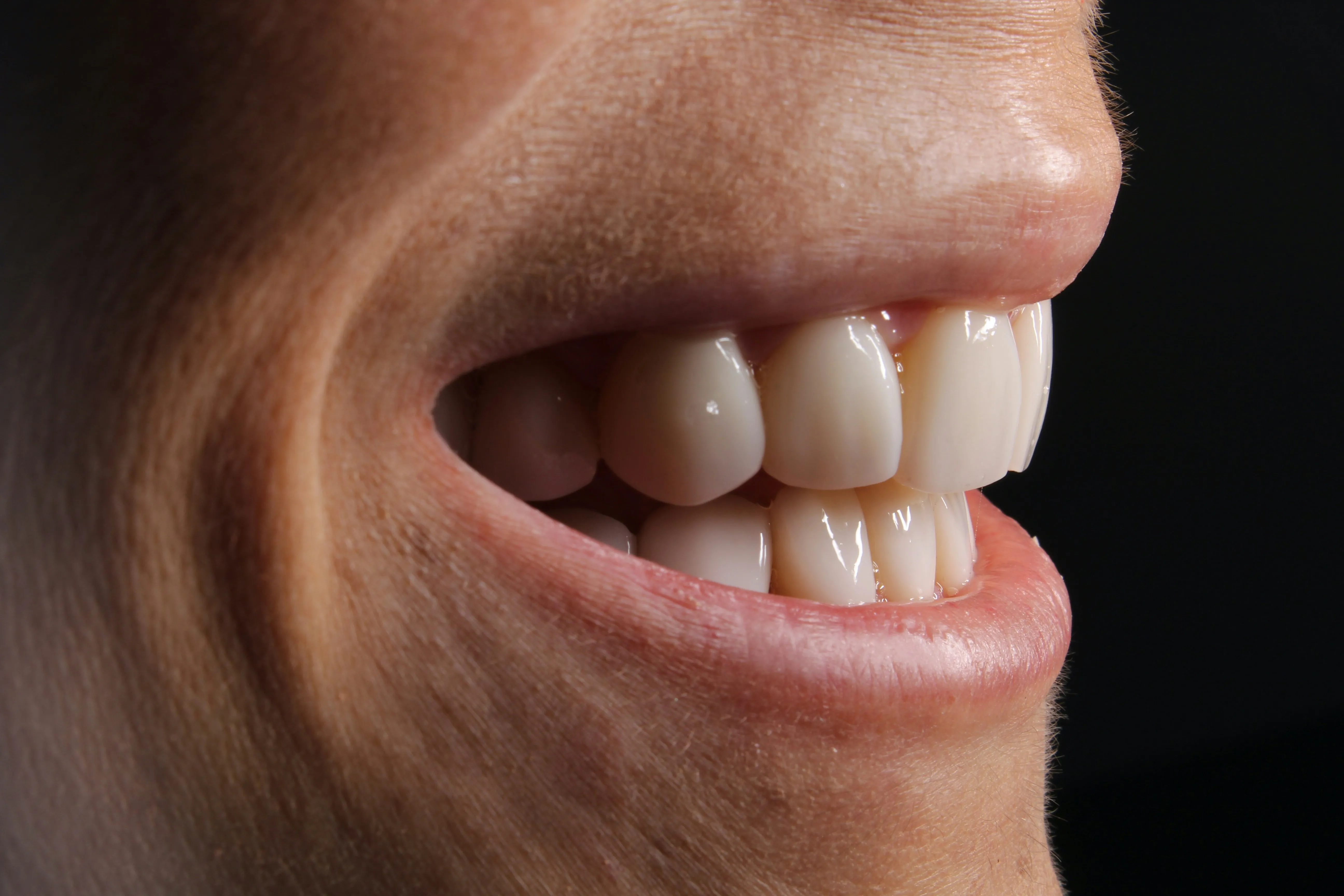
After removal of the tooth, Dr. Kim will always recommend a replacement option. Most patients may be more worried about aesthetics or chewing function, but what concerns Dr. Kim more is the loss of bone in the extraction site along with possible drifting of the adjacent or opposing teeth. Although it may not seem like a big deal to replace a missing tooth, it will lead to consequences later down the road that may affect your other teeth and muscles surrounding your oral cavity. Our dentist Dr. Kim and his dental team will make sure to go over all options based on your individual needs.
After removal of the tooth, Dr. Kim will always recommend a replacement option. Most patients may be more worried about aesthetics or chewing function, but what concerns Dr. Kim more is the loss of bone in the extraction site along with possible drifting of the adjacent or opposing teeth. Although it may not seem like a big deal to replace a missing tooth, it will lead to consequences later down the road that may affect your other teeth and muscles surrounding your oral cavity. Our dentist Dr. Kim and his dental team will make sure to go over all options based on your individual needs.
Why it matters
Leaving a problem tooth too long can create bigger issues
A severely damaged or infected tooth does not usually improve on its own. When removal is recommended, it is often because keeping the tooth would lead to more pain, more damage, or more complicated treatment later.
01
Relieves ongoing pain and pressure
A damaged or infected tooth can cause constant discomfort that affects eating, sleeping, and daily life. Extraction can remove the source of the problem and bring meaningful relief.
02
Helps stop infection from worsening
When infection is left untreated, it can spread into surrounding tissue and create more serious oral health concerns. Removing the source may be an important step in protecting the area.
03
Protects surrounding teeth and gums
A badly compromised tooth can affect neighboring teeth, irritate the gums, or contribute to bite problems. Extraction may help prevent further damage nearby.
04
Creates space for healthier treatment planning
In some cases, removing a tooth is part of a broader plan to restore health, improve function, or prepare for replacement options like an implant or bridge.
05
Prevents repeated short-term fixes
If a tooth cannot be predictably saved, continuing to patch the problem can delay the care that is actually needed. Extraction can provide a clearer path forward.
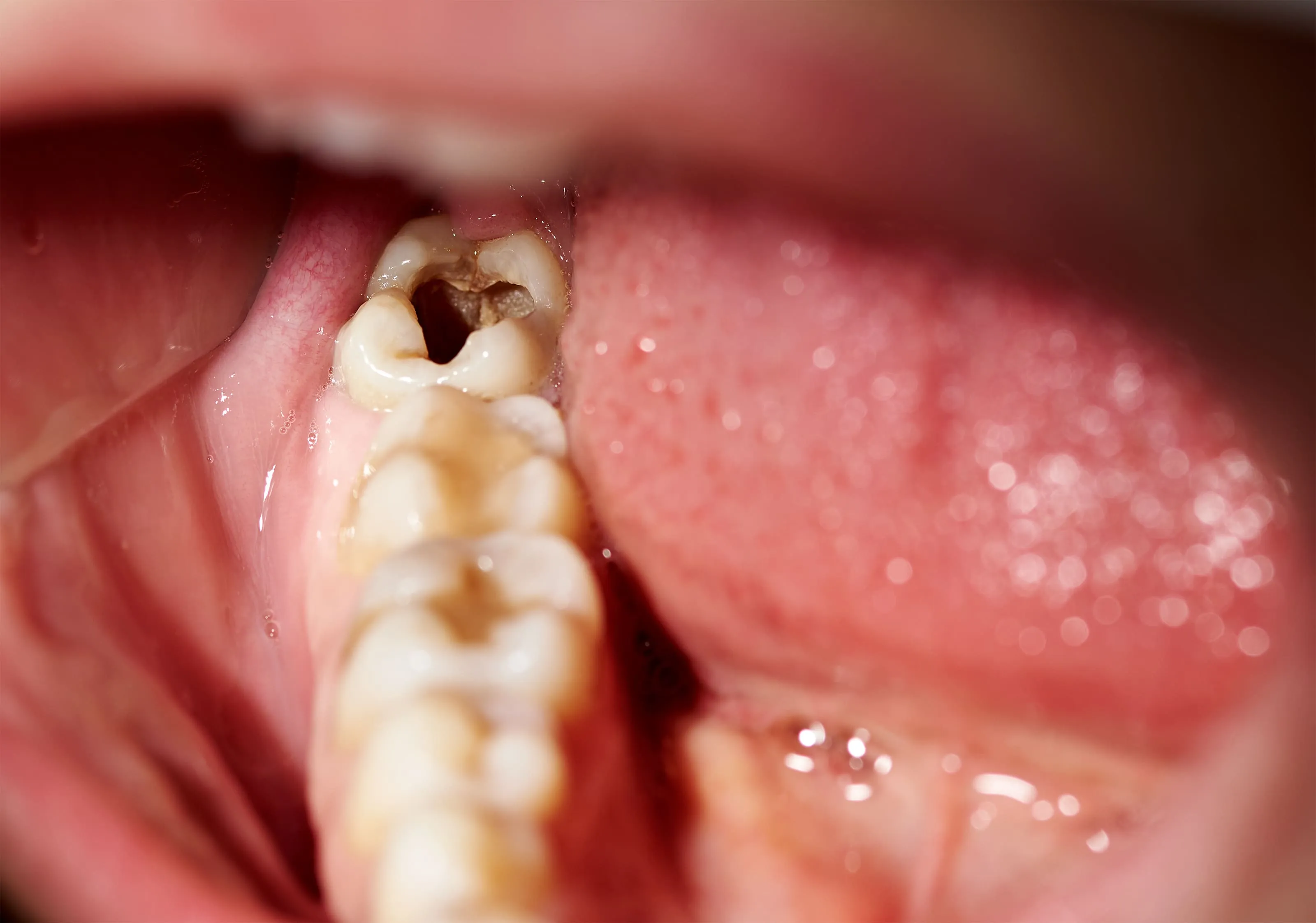
Some teeth cannot be predictably saved
Not every damaged tooth needs to be removed, but there are situations where extraction becomes the healthiest and most practical choice.
Severe or persistent tooth pain
A badly broken or cracked tooth
Advanced infection
Loose teeth from gum disease
Crowding or treatment planning needs
What's Included
Care that prioritizes comfort, safety, and next steps
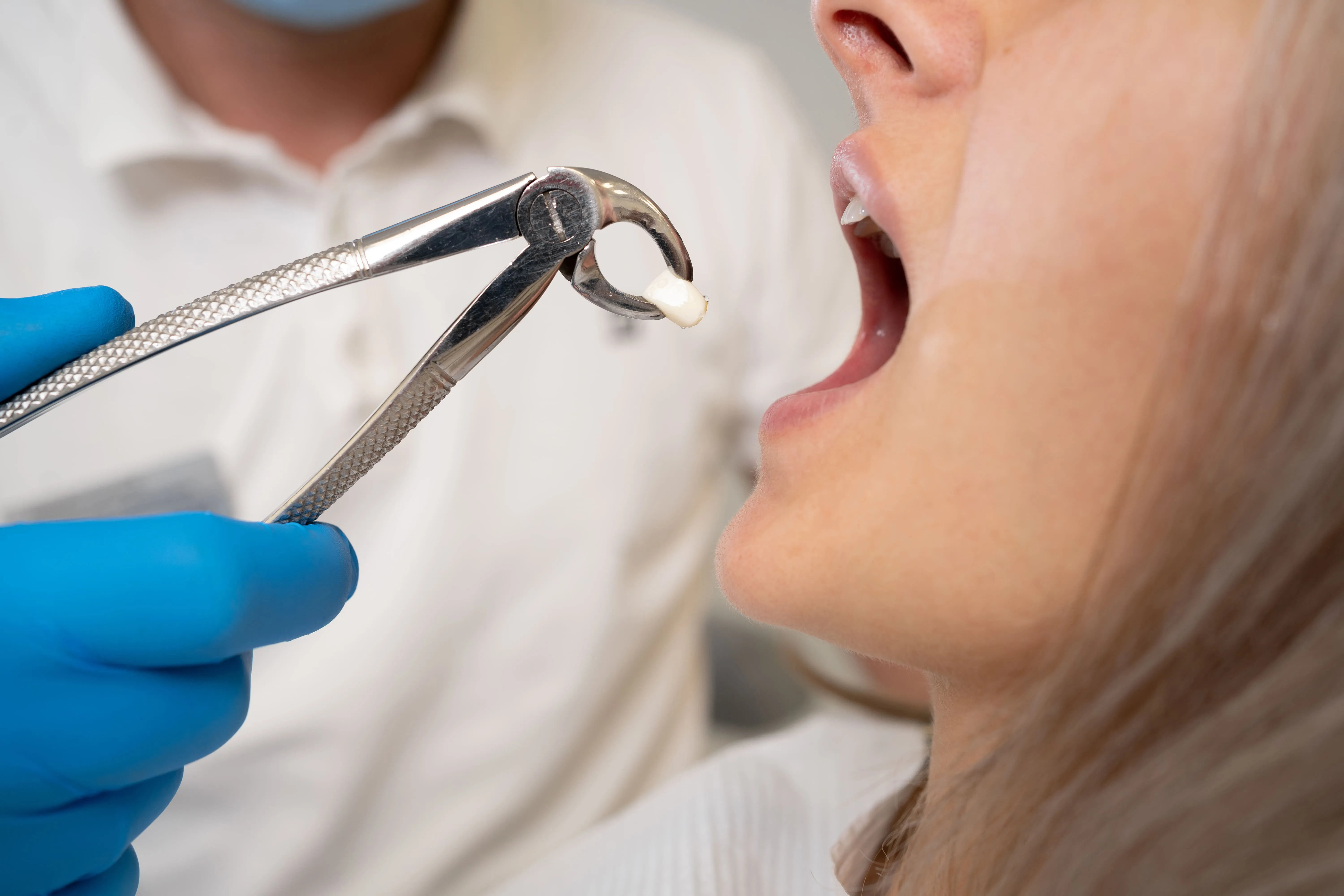
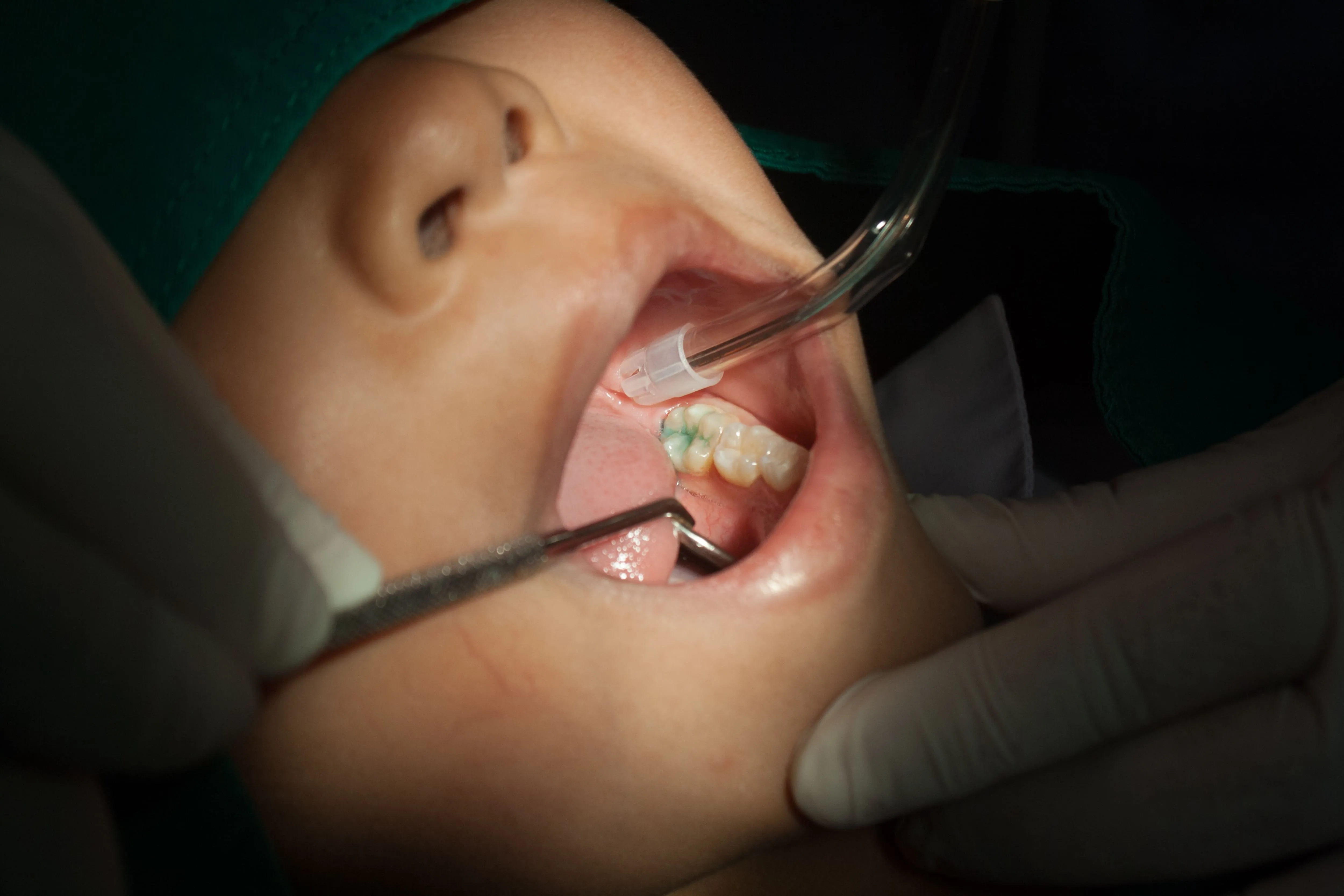
Tooth extractions are more than the removal itself. They involve careful evaluation, comfort-focused treatment, and guidance on how the area should be managed afterward.


Treatment Process
A clear process from diagnosis to recovery
Extractions can feel intimidating, but the process is designed to be clear, controlled, and as comfortable as possible. We guide you through each stage so you know what to expect before, during, and after treatment.
Schedule Your Visit
.jpg)
01
Step
Evaluation and imaging
We begin by examining the tooth and taking any needed X-rays to understand the extent of the problem.
02
Step
Review of your options
If extraction is recommended, we explain why, answer your questions, and discuss what treatment may look like afterward.
03
Step
Preparing the area
The area is numbed carefully to keep treatment as comfortable as possible.
04
Step
Tooth removal
The tooth is removed using the safest and most appropriate technique based on its condition and position.
05
Step
Recovery instructions
Once the extraction is complete, we review how to care for the area, what to avoid, and how healing should progress.
Healing well starts with the right aftercare
After an extraction, protecting the area during the first few days is an important part of recovery. We’ll explain how to manage discomfort, what foods to avoid, and how to care for the site while it heals.
Some swelling, tenderness, and mild bleeding can be normal at first, but following aftercare instructions closely helps reduce complications and supports smoother healing. If anything feels unusual during recovery, our team is here to help.
Some swelling, tenderness, and mild bleeding can be normal at first, but following aftercare instructions closely helps reduce complications and supports smoother healing. If anything feels unusual during recovery, our team is here to help.

Will a tooth extraction hurt?
How do I know if my tooth needs to be extracted?
How long does it take to recover from a tooth extraction?
What should I avoid after an extraction?
Will I need to replace the tooth afterward?
Can an infected tooth be extracted?
What if I am nervous about having a tooth removed?
Do you need a bone graft after a tooth extraction?
How much does a tooth extraction cost?
Where can I get a tooth extraction in San Juan Capistrano?
Request an Appointment
Please contact us to request a future appointment with Dr. Michael Kim at Ortega Cottage Dentistry in San Juan Capistrano. Thank you!

Advanced, conservative dental care in San Juan Capistrano, guided by Kois-trained precision and genuine warmth.