Root Canals
Save the tooth.
Stop the pain.
Root canal therapy is designed to treat infection or inflammation inside the tooth while preserving the natural structure whenever possible. When a tooth is causing deep pain or sensitivity, this treatment can often relieve discomfort and help you avoid extraction.
.webp)
What we do
A proven way to treat infection without removing the tooth
Root canal therapy is used when the inner portion of a tooth becomes inflamed or infected, often due to deep decay, trauma, cracks, or repeated dental work. Rather than removing the tooth, treatment focuses on cleaning the inside of it, sealing it, and helping restore its function.
For many patients, a root canal is the step that allows pain to settle, infection to be treated properly, and the natural tooth to remain in place. Root canals have given our profession a scary reputation. Truth be told, most root canal procedures are painless when done properly. Dr. Kim and his team take every step necessary to ensure that you feel no pain throughout the procedure.
For many patients, a root canal is the step that allows pain to settle, infection to be treated properly, and the natural tooth to remain in place. Root canals have given our profession a scary reputation. Truth be told, most root canal procedures are painless when done properly. Dr. Kim and his team take every step necessary to ensure that you feel no pain throughout the procedure.
Why it matters
Treating the infection early can save more than the tooth
When the inside of a tooth becomes infected, the problem does not usually resolve on its own. Root canal therapy is often the most effective way to stop the infection, relieve pain, and protect the tooth from needing to be removed.
01
Relieves deep tooth pain
Infection inside the tooth can cause intense pain, lingering sensitivity, and pressure. Root canal therapy addresses the source of that discomfort rather than temporarily masking it.
02
Helps preserve the natural tooth
Saving a natural tooth is often the healthiest option when it can be done predictably. Root canal treatment allows the tooth to remain in place rather than being extracted.
03
Stops infection from worsening
If left untreated, infection inside the tooth can spread to surrounding tissue and create more serious problems. Early treatment helps contain and resolve the issue.
04
Restores function more conservatively
A treated tooth can often continue functioning normally once it has been restored properly. This helps maintain your bite and reduce the need for more extensive replacement treatment.
05
Protects surrounding teeth and bone
Keeping the natural tooth in place can help preserve alignment, chewing function, and the health of nearby structures.
Some symptoms point to a deeper problem
Not every toothache means you need a root canal, but there are certain signs that may indicate the inner nerve tissue has been affected and needs prompt attention.
Lingering sensitivity to hot or cold
Severe or throbbing tooth pain
Swelling near the tooth or gums
Darkening or discoloration of the tooth
A pimple-like bump on the gums
.webp)
What's Included
Care focused on removing infection and preserving the tooth
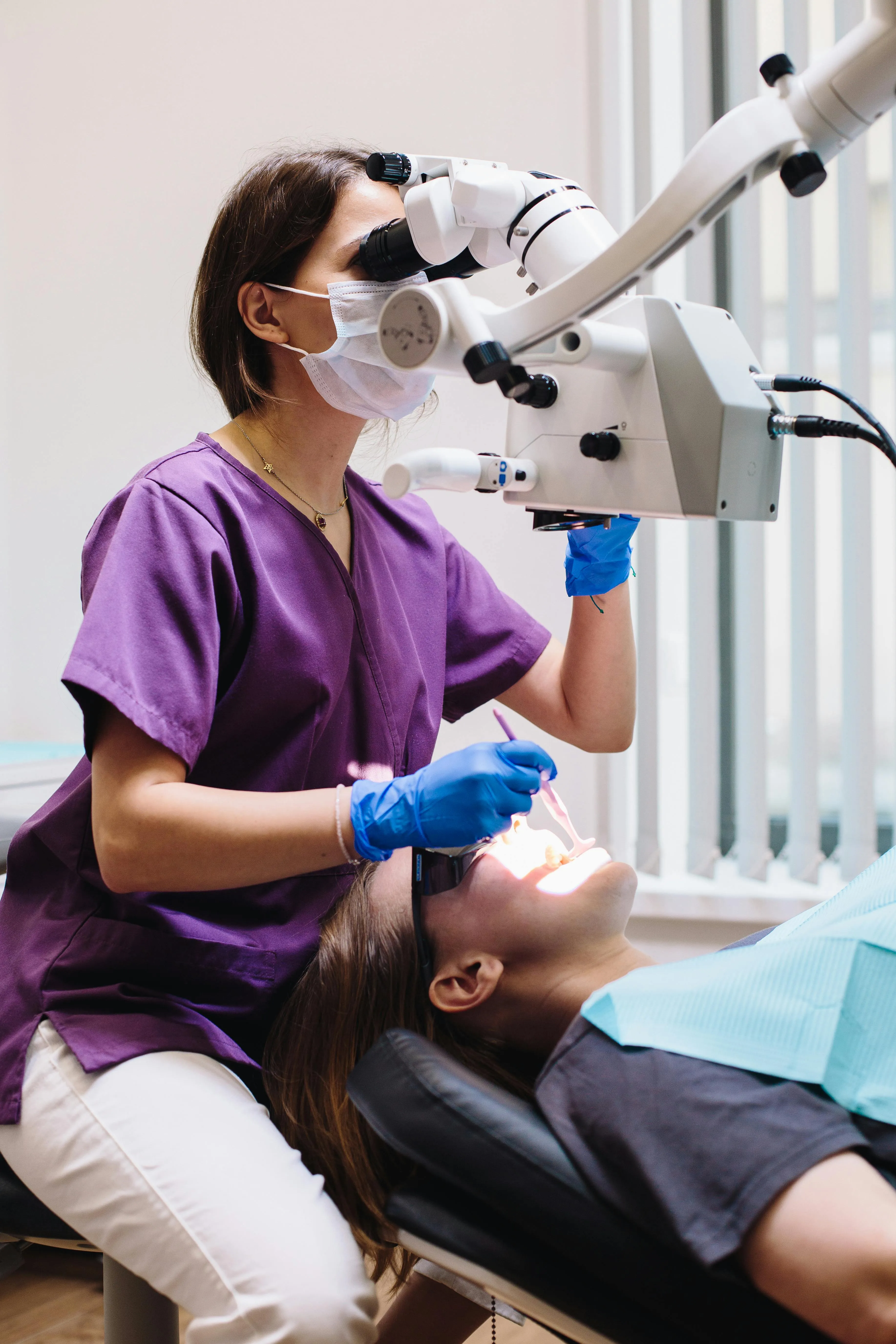
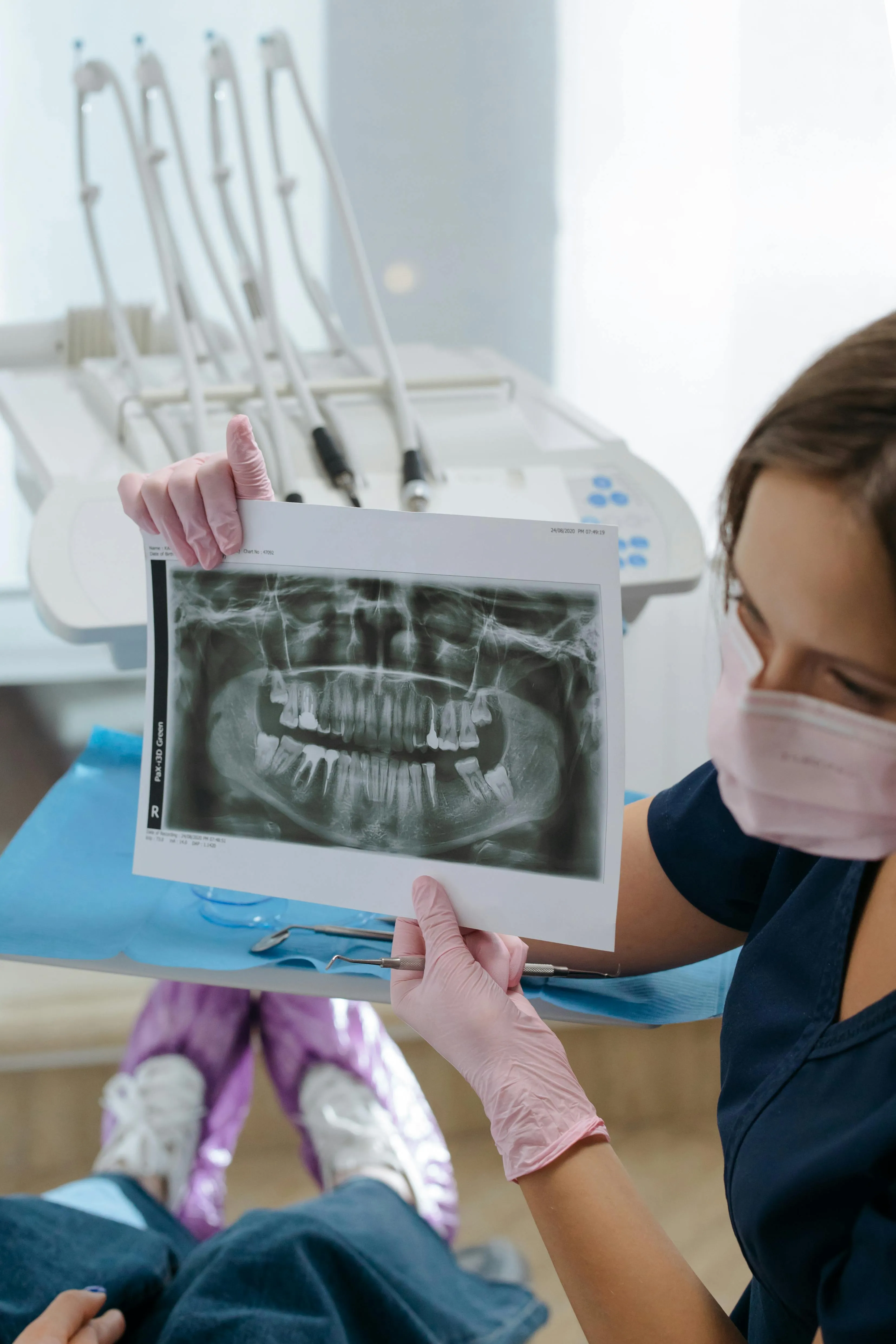
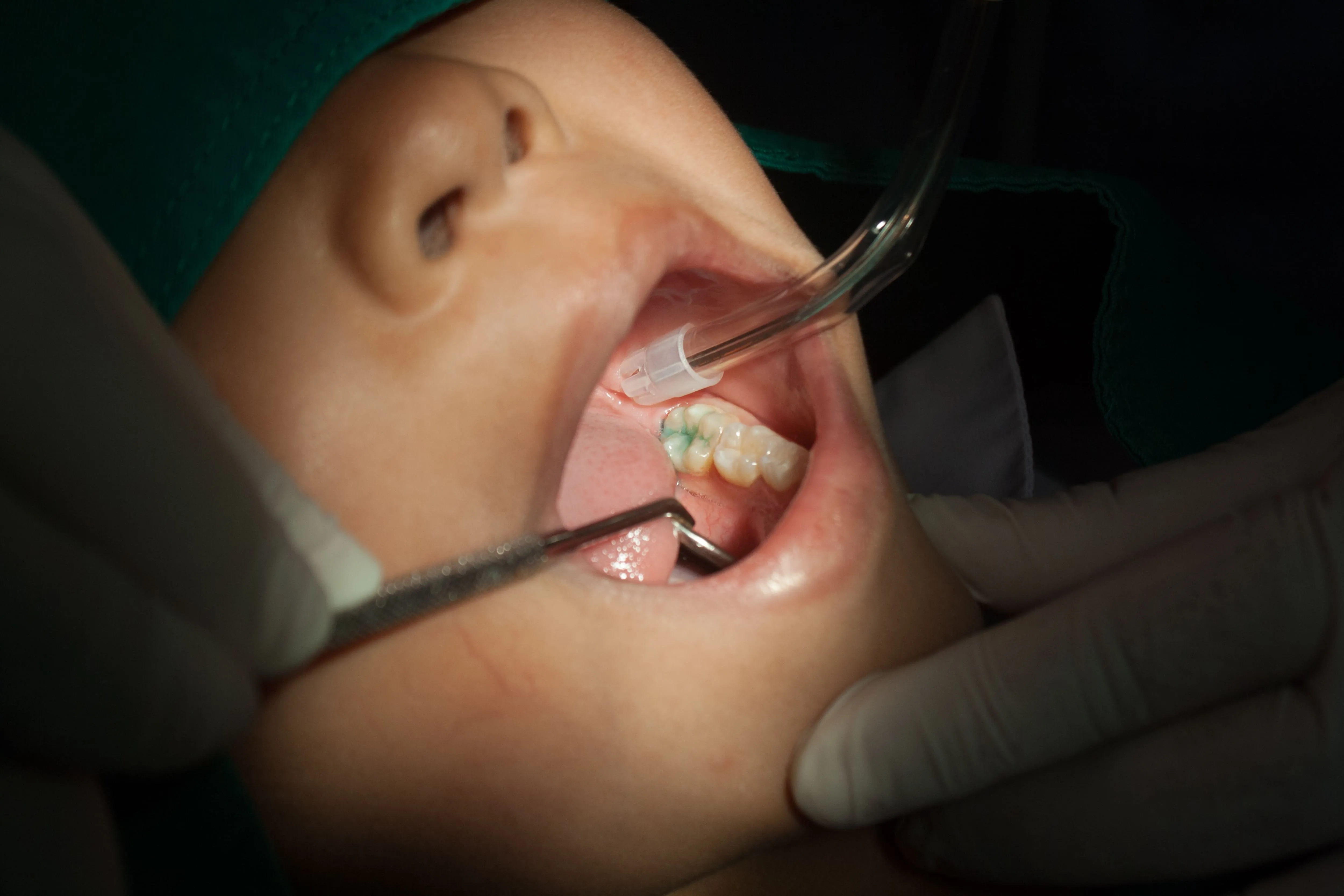
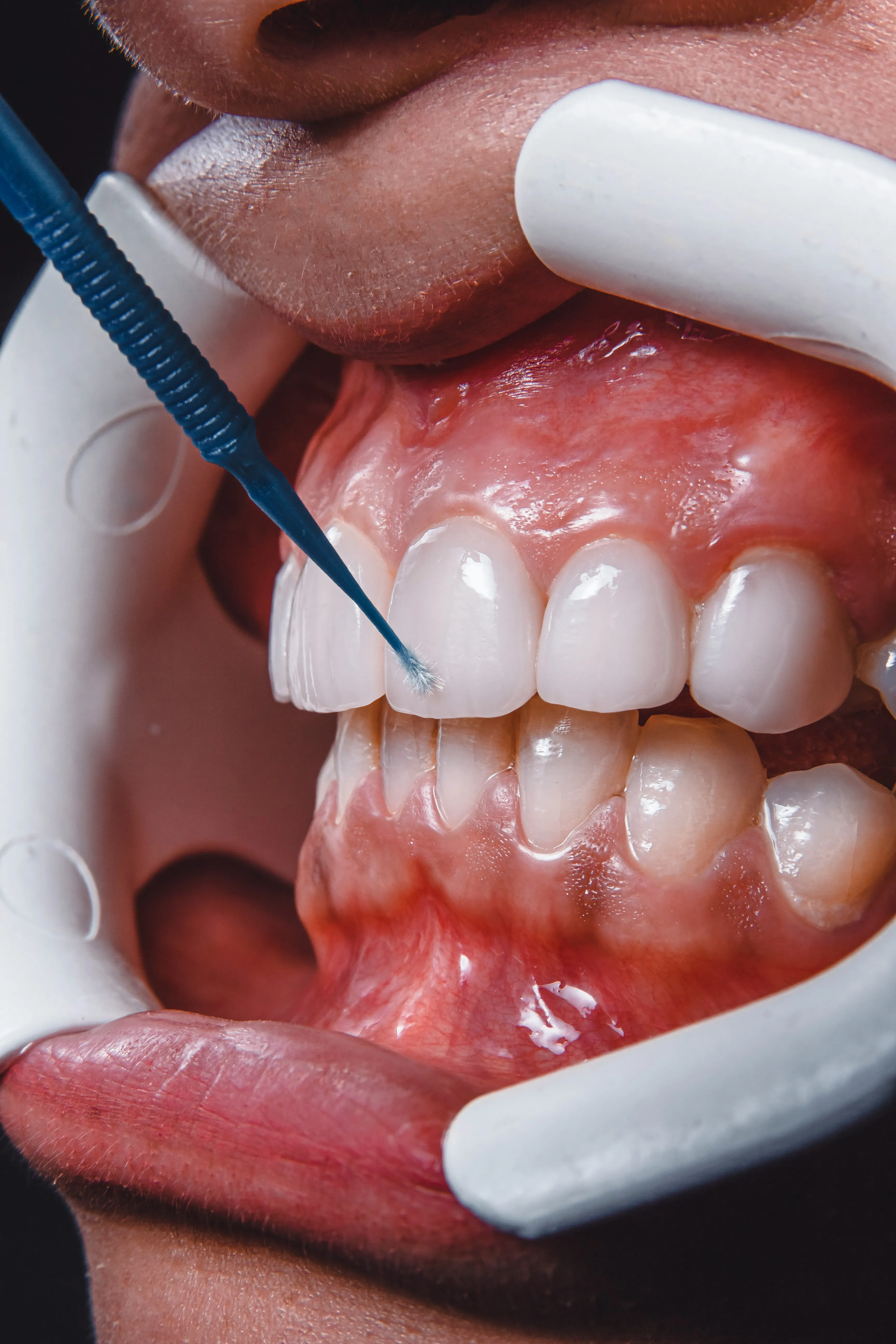
Root canal therapy is designed to clean the inside of the tooth thoroughly, remove infected tissue, and restore the tooth in a way that protects it moving forward.

Treatment Process
A clear process focused on relief and preservation
Root canal therapy is often more straightforward than people expect. The goal is to keep you comfortable, treat the infection thoroughly, and help the tooth remain stable afterward.
Schedule Your Visit

01
Step
Exam and imaging
We begin by evaluating the tooth and taking any needed X-rays to confirm the source of the problem.
02
Step
Numbing the area
The area is numbed carefully to keep treatment as comfortable as possible.
03
Step
Cleaning the inside of the tooth
The infected tissue is removed, and the canal spaces are cleaned and prepared.
04
Step
Sealing the canals
The tooth is sealed internally to help protect it from future infection.
05
Step
Restoring the tooth
Depending on the case, the tooth may be restored the same day or prepared for a follow-up restoration such as a crown.
Benefits
Why saving the tooth is often worth it
Root canal therapy is often the preferred option when a natural tooth can still be preserved. It treats the underlying problem while helping you avoid extraction and more extensive replacement treatment.
Preserves the natural tooth
Keeping your own tooth in place often provides the most stable and conservative solution.
Restores comfort and function
Once treated and restored, many teeth can continue functioning normally for years.
Avoids the next level of treatment
Saving the tooth may reduce the need for extraction, replacement, and more complex care.
Healing starts with the right follow-through
After root canal therapy, it is normal to feel some tenderness around the tooth for a short time, especially when biting or chewing. This usually improves as the area settles, but the tooth should still be restored properly afterward to protect it from future damage.
We’ll explain how to care for the tooth, what symptoms are normal, and when to return for the final restoration if one is needed. The goal is not only to treat the infection, but to make sure the tooth remains strong and functional moving forward.
We’ll explain how to care for the tooth, what symptoms are normal, and when to return for the final restoration if one is needed. The goal is not only to treat the infection, but to make sure the tooth remains strong and functional moving forward.

What is a root canal?
Does a root canal hurt?
How do I know if I need a root canal?
How long does root canal treatment take?
Will I need a crown after a root canal?
Is it better to pull the tooth instead?
How long does a root canal last?
How much does a root canal cost?
Where can I get root canal treatment in San Juan Capistrano?
Request an Appointment
Please contact us to request a future appointment with Dr. Michael Kim at Ortega Cottage Dentistry in San Juan Capistrano. Thank you!

Advanced, conservative dental care in San Juan Capistrano, guided by Kois-trained precision and genuine warmth.