Dental implants are one of the most effective ways to replace missing teeth, but they also represent a significant investment in your oral health. Naturally, one of the first questions many patients ask is, "Will my insurance cover dental implants?" The answer is not always straightforward. While some dental insurance plans help cover certain parts of implant treatment, others may offer limited benefits or exclude implants altogether.
Understanding what is covered, what is not, and how to maximize your benefits can help you make informed decisions about your care. In this guide, we'll break down how dental implant insurance works, common coverage limitations, and the financing options available to help make treatment more affordable.
Does Dental Insurance Cover Dental Implants?
The short answer is: it depends on your insurance plan.
While dental implants were once considered an elective procedure by many insurance providers, coverage has become more common in recent years as implants are increasingly recognized as a reliable solution for restoring oral health and function. However, the amount covered can vary significantly from one plan to another.
Some dental insurance plans may cover a portion of the implant process, while others only provide benefits for related procedures such as tooth extractions, diagnostic imaging, or implant-supported crowns. Certain plans may even exclude dental implants altogether, leaving patients responsible for most or all treatment costs.
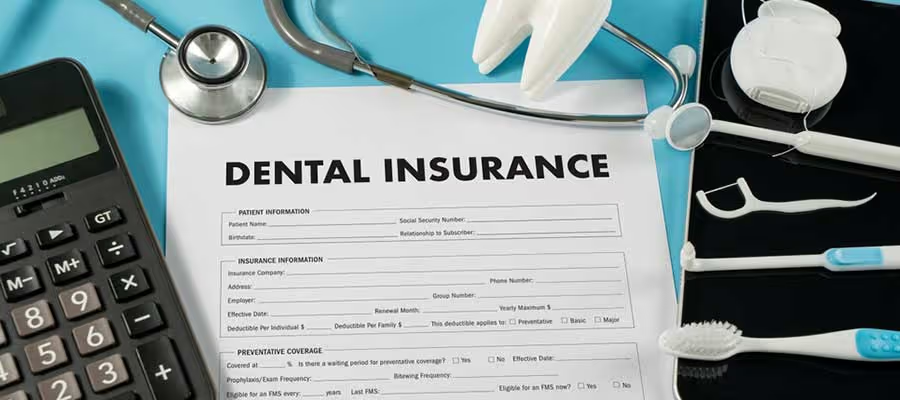
Several factors can affect whether your insurance covers dental implants, including:
- The type of dental insurance plan you have
- Annual maximum benefit limits
- Deductibles and copayments
- Waiting periods for major procedures
- Missing tooth clauses
- Whether your dentist is in-network or out-of-network
- Specific exclusions outlined in your policy
It's also important to understand that insurance companies often categorize dental implants as a major restorative procedure. Because of this, even when coverage is available, patients may still be responsible for a portion of the overall cost after insurance benefits are applied.
The best way to determine your exact coverage is to review your policy details and have your dental office verify your benefits before treatment begins. A pre-treatment estimate can help clarify what your insurance is likely to cover and what out-of-pocket expenses you can expect.
What Parts of a Dental Implant Are Usually Covered?
Dental implant treatment involves several steps, and insurance coverage can vary for each component. Even if your plan does not fully cover the implant itself, you may still receive benefits for certain procedures associated with the treatment process.
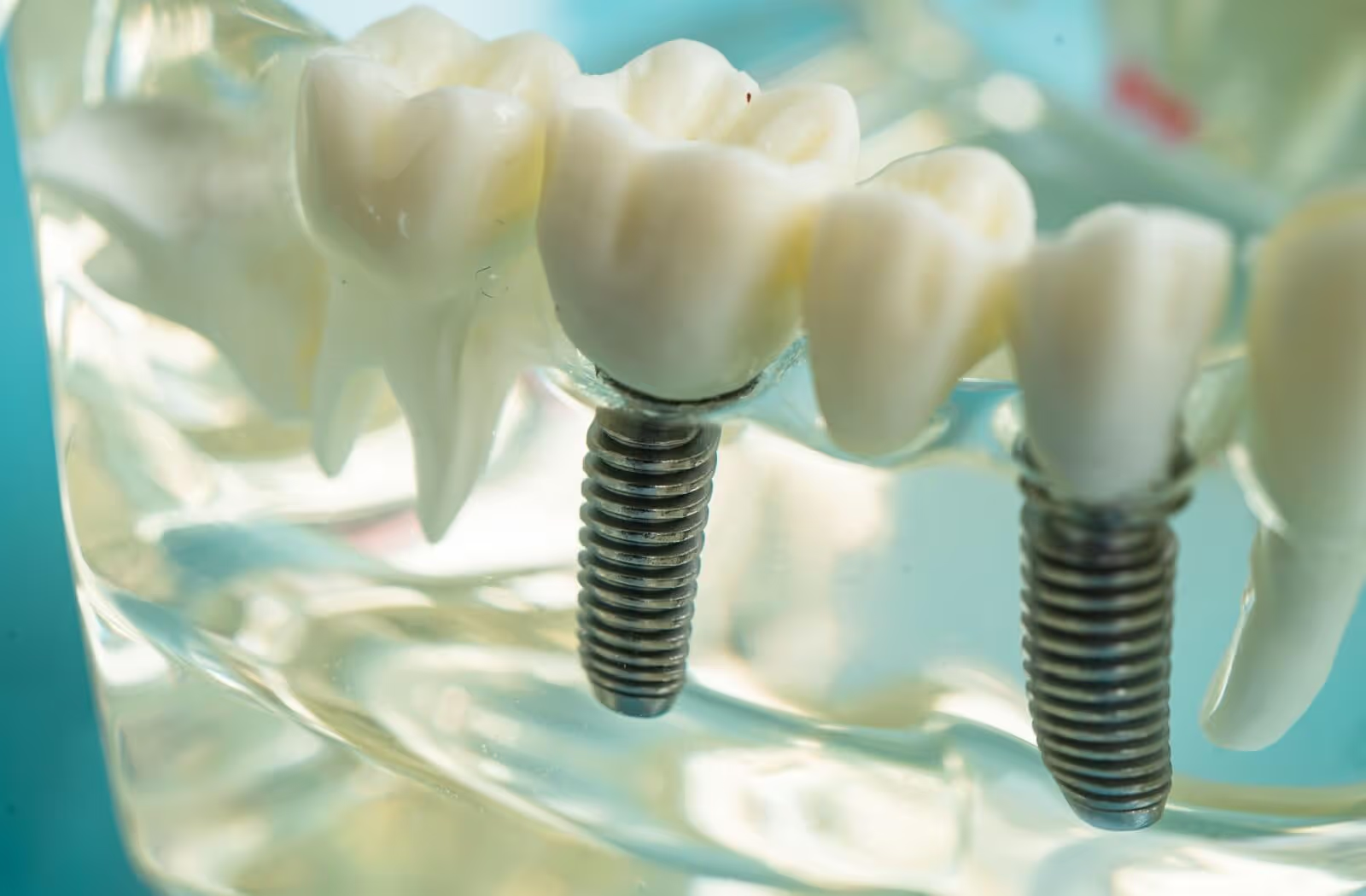
Here are the parts of dental implant treatment that are most commonly covered by dental insurance:
1. Initial Consultation and Diagnostic Imaging
Before implant treatment begins, your dentist will perform a comprehensive evaluation that may include an oral exam, digital X-rays, and 3D imaging. Many dental insurance plans provide partial coverage for these diagnostic services, especially when they are considered medically necessary for treatment planning.
2. Tooth Extractions
If a damaged or failing tooth needs to be removed before implant placement, insurance often covers a portion of the extraction cost. Coverage levels vary depending on your plan and whether the extraction is classified as a simple or surgical procedure.
3. Bone Grafting
Some patients require bone grafting to strengthen the jawbone before receiving an implant. Certain insurance plans may contribute toward the cost when the procedure is necessary to support oral health and implant success. However, coverage for bone grafting varies significantly between providers.
4. Implant Placement Surgery
The implant post serves as the artificial tooth root and is surgically placed into the jawbone. More insurance plans now offer benefits for implant placement than in the past, but coverage is often limited and may be subject to annual maximums, deductibles, or waiting periods.
5. Abutment and Implant Crown
After the implant has integrated with the jawbone, an abutment and custom restoration are attached to complete the treatment. In many cases, insurance plans are more likely to provide benefits for the implant crown because it functions as the visible replacement tooth. Coverage for the abutment may vary depending on the specific policy.
6. Follow-Up Visits and Maintenance
Some plans may cover routine follow-up appointments, examinations, and preventive care after implant treatment. Maintaining regular dental visits is important for protecting both your implant investment and your overall oral health.
Because every insurance plan is different, it's important to remember that coverage percentages, exclusions, and annual benefit limits can vary widely. Reviewing your policy and obtaining a pre-treatment estimate can provide a clearer picture of what costs may be covered before treatment begins
What Dental Implant Costs Are Often Not Covered?
Many patients are surprised to learn that even when their insurance plan includes dental implant benefits, certain parts of treatment may still require out-of-pocket expenses. Understanding these potential exclusions ahead of time can help you avoid unexpected costs and better prepare for your investment in a healthier smile.
Some dental implant expenses that are often not fully covered include:
- The Entire Implant Procedure: Certain insurance plans still classify dental implants as an elective treatment and may exclude implant coverage altogether.
- Sedation Dentistry: While sedation can help patients feel more comfortable during treatment, many insurance providers consider it an optional service and may not provide benefits for it.
- Premium Implant Materials: Upgraded restoration materials, such as zirconia implants or premium cosmetic crowns, may come with additional costs that are not covered by insurance.
- Advanced Bone Grafting Procedures: Complex bone augmentation treatments are sometimes viewed as separate procedures and may receive limited or no insurance benefits.
- Sinus Lift Surgery: Patients who require a sinus lift before implant placement may find that this preparatory procedure is only partially covered, if covered at all.
- Cosmetic Enhancements: Any treatment performed primarily for aesthetic purposes rather than functional or medical necessity is less likely to qualify for insurance coverage.
- Costs Beyond Your Annual Maximum: Even when implant treatment is covered, many dental plans have annual benefit limits. Once that maximum is reached, any remaining treatment costs become the patient's responsibility.
- Out-of-Network Charges: Visiting a provider outside your insurance network may result in reduced benefits and higher out-of-pocket expenses.
The good news is that a lack of full insurance coverage doesn't necessarily mean dental implants are out of reach. Many patients successfully combine insurance benefits with financing options, payment plans, HSA funds, or FSA accounts to make treatment more affordable. Before moving forward, it's always a good idea to review your benefits and discuss all available payment options with your dental team.
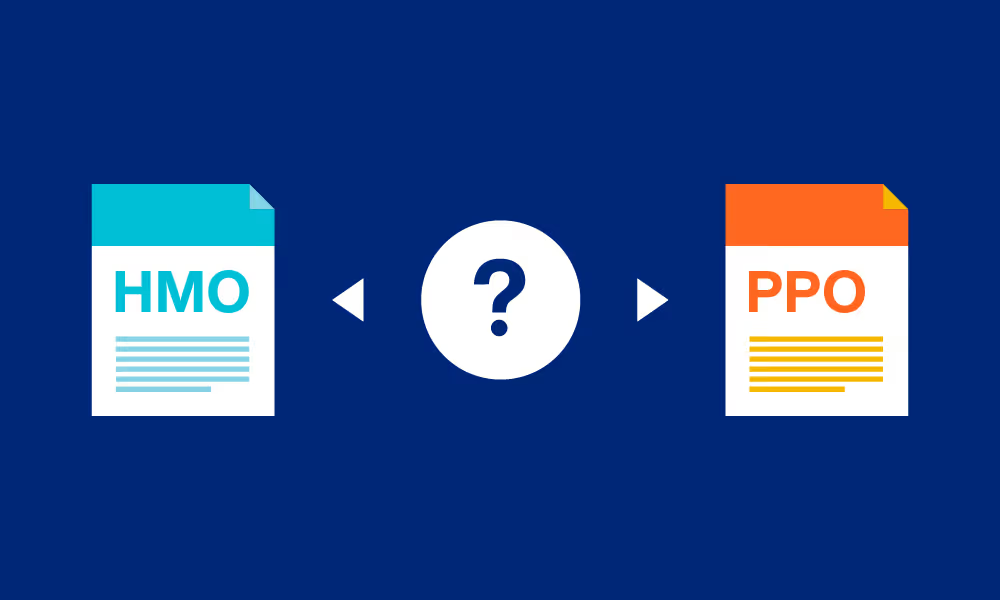
PPO vs. HMO Dental Insurance: Which Is Better for Implants?
If you're considering dental implants, a PPO plan is often the more flexible option. While both PPO and HMO plans can help reduce dental costs, they differ significantly when it comes to implant coverage and provider choice.
PPO Plans
- Greater flexibility when choosing a dentist
- More likely to offer implant-related benefits
- May provide partial coverage for major restorative procedures
- Often allow out-of-network treatment options
HMO Plans
- Typically have lower monthly premiums
- Require patients to visit dentists within a specific network
- May offer limited implant benefits or exclude implants altogether
- Usually require more restrictions and approvals for treatment
For many patients seeking dental implants, PPO plans tend to provide broader coverage and more treatment flexibility. However, every policy is different, so reviewing your benefits before starting treatment is the best way to understand what coverage may be available.
How Much Will You Pay Out of Pocket?
Even with insurance coverage, most patients can expect to pay some portion of their dental implant treatment out of pocket. The exact amount depends on your insurance benefits, annual maximums, deductibles, and the complexity of your case.

With Insurance Coverage
If your dental insurance includes implant benefits, it may help cover a percentage of eligible procedures such as exams, extractions, implant placement, or the final restoration. In many cases, patients still pay a portion of the treatment cost after insurance benefits are applied.
Without Insurance Coverage
Patients without dental insurance are typically responsible for the full cost of treatment. A single dental implant often ranges from $3,000 to $6,000 or more, while full-mouth implant solutions can cost significantly more depending on the number of implants and restorations needed.
Factors That Affect Your Final Cost
Several factors can influence your total out-of-pocket expenses, including:
- The number of teeth being replaced
- Whether bone grafting or other preparatory procedures are needed
- The type of implant restoration used
- The complexity of your treatment plan
- Your insurance coverage and annual benefit limits
- Additional services such as sedation dentistry
Because every smile is unique, the best way to determine your actual costs is through a personalized consultation and insurance review. Your dental team can provide a detailed treatment estimate and help you explore financing options to make dental implants more affordable.
Why Patients Choose Ortega Cottage Dentistry for Dental Implant Treatment
Choosing the right dental team can make a significant difference in your implant experience and long-term results. At Ortega Cottage Dentistry, patients receive personalized care backed by advanced technology, evidence-based dentistry, and a commitment to lasting oral health.
What Sets Us Apart
- Experienced Implant Care: Dr. Michael Kim has extensive experience in restorative dentistry and dental implant treatment, helping patients rebuild healthy, confident smiles.
- Evidence-Based Dentistry: Every treatment recommendation is guided by proven research and advanced clinical training to support predictable, long-term outcomes.
- Advanced Technology for Precision Treatment: We utilize modern diagnostic tools and digital treatment planning to improve accuracy, comfort, and efficiency throughout the implant process.
- Conservative, Patient-First Philosophy: Our goal is to preserve as much healthy tooth structure as possible while providing treatment that is truly necessary for your oral health.
- Personalized Care and Clear Communication: We take time to explain your options, answer questions, and create a treatment plan tailored to your unique needs and goals.
- Insurance and Financing Support: We accept most PPO insurance plans, offer complimentary benefits checks, and provide CareCredit financing to help make treatment more manageable.
Whether you're replacing a single missing tooth or considering a full smile restoration, our team is dedicated to helping you make informed decisions and achieve results that look natural, feel comfortable, and last for years to come.
Conclusion
Navigating dental implant insurance can feel overwhelming, but understanding your coverage is an important step toward making informed decisions about your oral health. While some insurance plans may help cover portions of implant treatment, benefits, exclusions, and out-of-pocket costs can vary widely from one policy to another.
The good news is that even if your insurance provides limited coverage, options such as financing plans, HSA/FSA funds, and flexible payment solutions can help make dental implants more affordable. Because every patient's situation is unique, reviewing your benefits and discussing your treatment options with a knowledgeable dental team is the best way to avoid surprises and maximize your available coverage.